
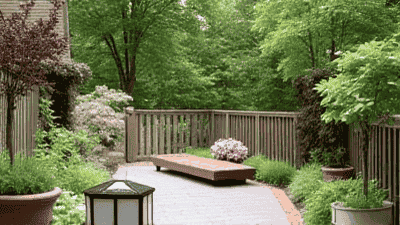
A garden serves as an extension of your home, offering a sanctuary where you can relax, unwind, and connect with nature. Personalizing your outdoor space can transform it into a beautiful environment that reflects your unique style and enhances your enjoyment of the area. Whether you have a sprawling backyard, a small patio, or a cozy balcony, there are countless ways to infuse your personality into your garden through decor.
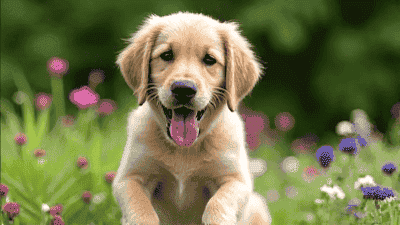
Creating a pet friendly garden is not only a great way to enhance the beauty of your outdoor space but also ensures that your furry friends can enjoy the environment safely and comfortably. As a pet owner, it is important to design a garden that caters to the needs of your pets while maintaining aesthetic appeal.
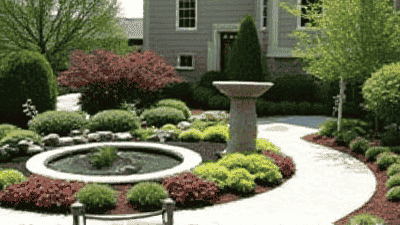
When it comes to landscaping, many people focus on the greenery, flowers, and plants that bring life to an outdoor space. However, hardscaping is equally important and often underappreciated in creating a visually interesting and functional landscape. Hardscaping refers to the non-plant elements of landscaping, including paving, walls, patios, decks, fences, and other structural features. By incorporating hardscaping elements, you can enhance the aesthetics of your outdoor area while improving its functiona
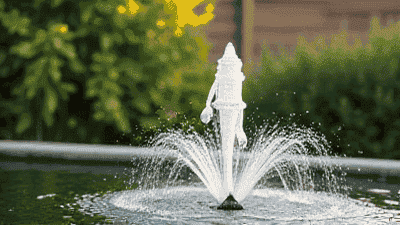
Landscape beautification plays a crucial role in enhancing the visual appeal and functionality of outdoor spaces. One of the most impactful elements you can add to your landscape design is water features. Water features, whether they consist of ponds, fountains, waterfalls, or streams, can transform even the simplest gardens into serene oases.
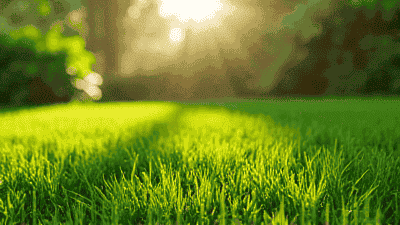
A lush green lawn not only enhances the beauty of your home but also provides a welcoming environment for outdoor activities. Achieving and maintaining a healthy lawn requires dedication, care, and the right practices tailored to your geographical location and climate.