
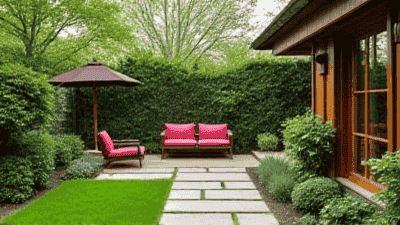
Garden design is an intricate art form that involves not only the thoughtful selection of plants and materials but also the effective use of color. Color can transform a garden, influencing the mood and atmosphere of outdoor spaces. From the tranquil greens of foliage to the vibrant bursts of flowering plants, color is a fundamental aspect that brings life and character to gardens.
The concept of edible landscaping has gained significant popularity in recent years, as more homeowners seek to create beautiful outdoor spaces that are also functional and productive. By incorporating edible plants into your landscape design, you can enjoy the aesthetic appeal of flowers, shrubs, and trees while also cultivating food sources for you and your family.
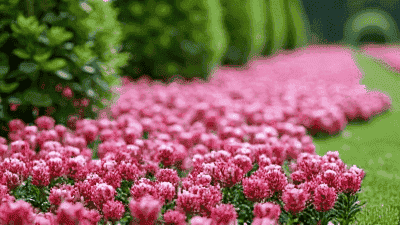
Ground cover plants serve multiple purposes in landscape design, from minimizing weed growth and soil erosion to creating beautiful, lush landscapes that can dramatically enhance the aesthetic appeal of your garden. A well-designed ground cover garden can transform your outdoor space, providing texture, color, and even habitat for beneficial wildlife.
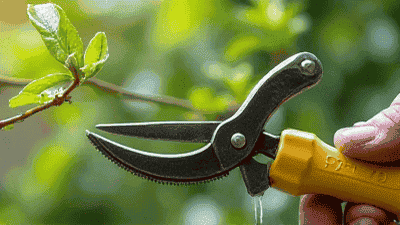
Pruning is an essential gardening practice that impacts the health and aesthetics of your landscape. It involves the selective removal of various parts of a plant, including branches, buds, and roots. While many gardeners may view pruning as a purely cosmetic undertaking, it serves far more significant purposes that contribute to the overall vitality of plants.
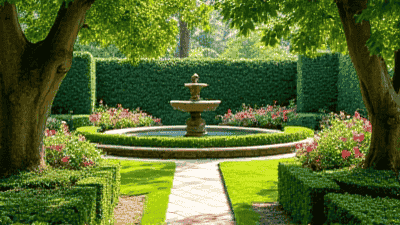
A well-planned garden is not only a feast for the eyes but also a thriving ecosystem that supports the growth of plants and promotes biodiversity. Whether you are an experienced gardener or just starting out, understanding how to design your garden layout effectively is key to achieving optimal growth and aesthetics.