
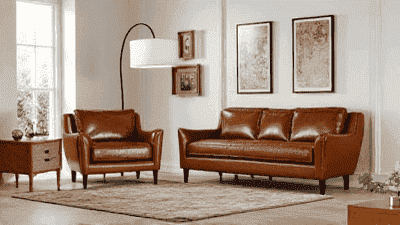
Retro style has made a triumphant comeback in recent years, captivating the hearts of interior design enthusiasts and homeowners alike. The vibrant colors, bold patterns, and unique shapes that define the retro aesthetic bring a distinct charm to modern home furnishings. Whether you adore the playful vibes of the 1960s or the sleek lines of mid-century modern design, incorporating retro elements into your home can create a captivating and nostalgic atmosphere.
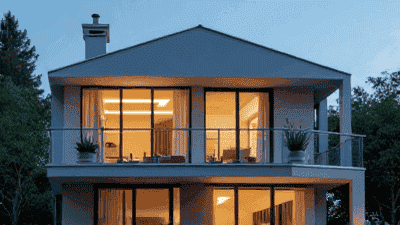
In an era where environmental consciousness is more important than ever, the concept of a smart home has shifted from a luxury to a practical solution for reducing our ecological footprint. A smart home integrates advanced technology to automate and optimize various household functions, from energy management to waste reduction. Beyond the convenience and comfort it offers, a smart home plays a significant role in promoting sustainability.
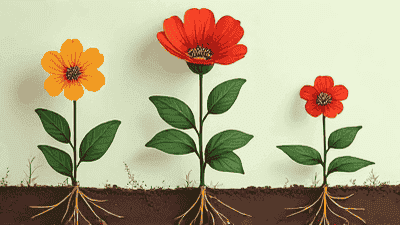
Gardening can be a rewarding and fulfilling activity, allowing you to cultivate beautiful flowers and greenery while enhancing your outdoor space. Flowers, in particular, bring vibrancy and color to gardens, and understanding their life cycles is essential for providing the right care at each stage.
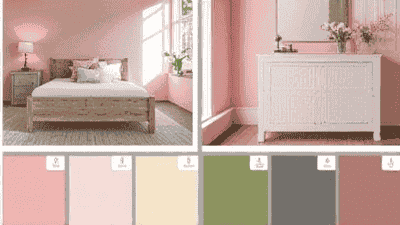
As winter fades away and the first signs of spring emerge, many of us feel a renewed sense of energy and inspiration. The arrival of spring brings with it a vibrant array of colors as flowers bloom, trees regain their leaves, and the world bursts into life once more. This seasonal transformation presents a perfect opportunity to refresh and rejuvenate our living spaces with spring color palettes.

A lush green lawn not only enhances the beauty of your home but also provides a welcoming environment for outdoor activities. Achieving and maintaining a healthy lawn requires dedication, care, and the right practices tailored to your geographical location and climate.